
From playtime to Instagram
With brushes in hand and confidence beyond their years., young makeup creators blur the line between art, playtime, and performance for a watching audience.
By Brinda Girish Gowda
Some of the most talked-about kid creators include Gunit Banga with 142k followers, Kanak Shrivastava with 68.6k followers, and Kassie with a whopping 421k followers whose videos show everything from colourful glam looks to fun makeup transformations. What stands out isn’t just the makeup, it’s the confidence, it’s the fact that they treat brushes like crayons, faces like canvases, and the camera like a friend.
While most of these little ones appear on screen, the accounts themselves are usually managed by their parents or guardians. Parents film the videos, edit the reels, reply to comments and oversee brand collaborations, turning what looks like a child’s hobby into a carefully supervised activity. Yet even with parental control, many viewers still raise concerns about safety in the comment sections. Some followers appreciate the parents’ involvement, writing things like, “As long as the parents are monitoring the account, it’s okay.” Others remain cautious, pointing out the risks of exposing children to a massive online audience.
“Children today don’t just play dress-up, they perform it for an audience.” Vinutha Nagaraj, Head of HR at GMR
And honestly, the comment sections are where the real story unfolds. You’ll see encouragement, concern and nostalgia sometimes all under one reel. Some read “Her blending skills are better than mine and I’m 25,” and others say “Cute talent but please make sure she still enjoys childhood offline.”This shows how layered the conversation is. Some viewers see pure creativity, others worry about pressure, and many are simply amazed by the confidence.
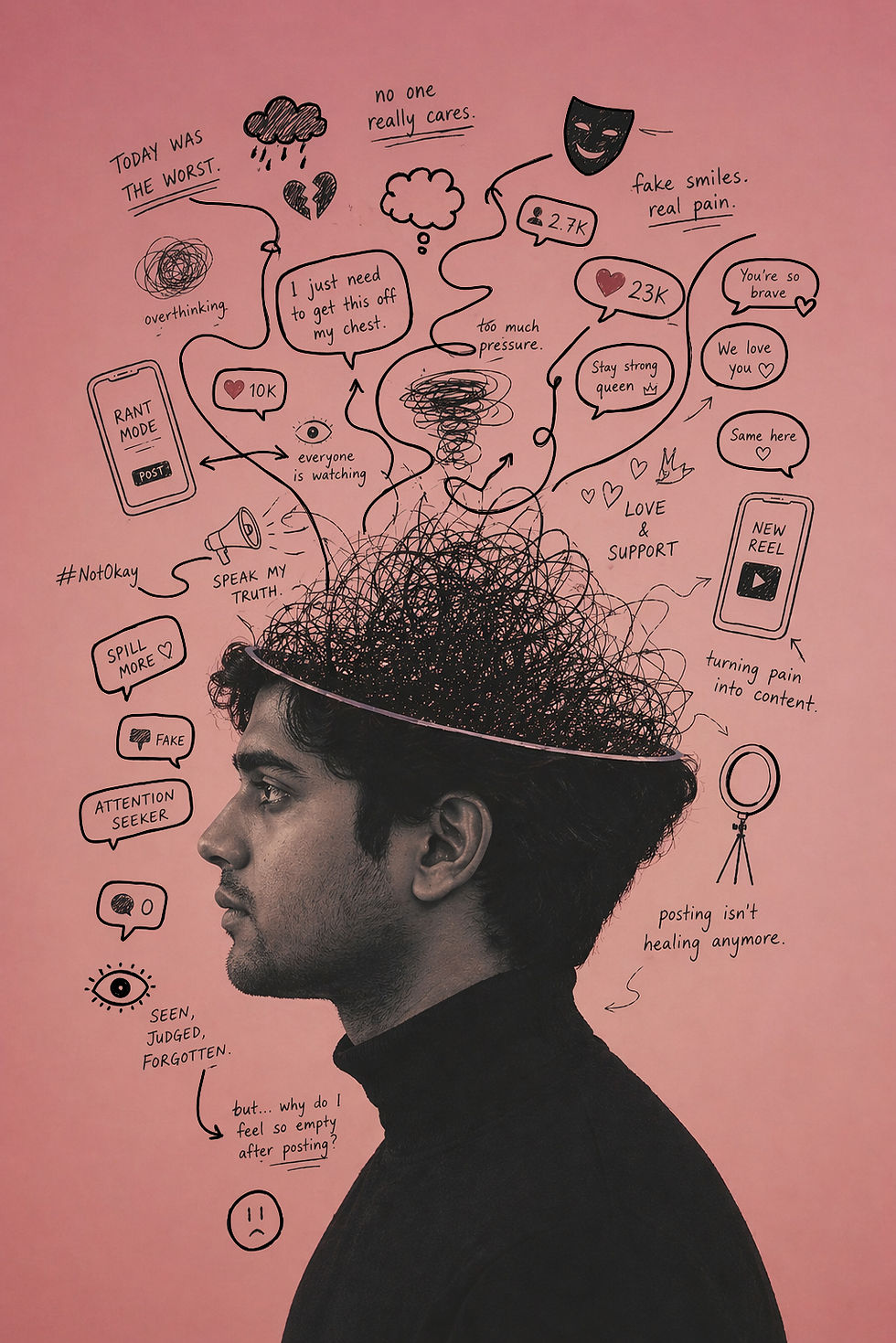
However, beyond the glitter and applause lies a valid concern: should children of such a young age be exposed to platforms like Instagram at all? Social media is not just a stage for creativity; it is also a space driven by algorithms, comparison, validation, and public scrutiny. While adults may struggle with online pressure, criticism, and the chase for likes, children are far more impressionable. Early exposure can shape how they view beauty, success, and self-worth. The internet rarely forgets, and a digital footprint created in childhood can follow them into adolescence and adulthood. So while makeup may be harmless play, the platform hosting it raises deeper questions about boundaries, supervision, and whether every creative moment needs an audience.
On the contrary part of what makes kid makeup influencers fascinating is their spontaneity. Adults often chase trends, product launches, or brand deals. Kids just want sparkle, colour, and fun. A bold purple eyeshadow for no occasion? Perfect. Glitter freckles on a random weekday? Even better. That carefree energy can remind everyone that beauty started as play long before it evolved into a billion dollar industry.
Pearl Mohan, 20 studying psychology from Gargi University “I used to wear makeup when I was a kid, the only difference is, I never posted it online and the kids now do, they also have child skin friendly makeup which even makes it better”. That sentiment echoes across the comment sections of many young makeup creators, where encouragement often outweighs criticism. “Honestly this is just art, let kids explore creativity early.” “She looks so happy doing this, that’s what matters.”
Vinutha Nagaraj, 45, Head of HR at GMR, had an opposite opinion questions whether makeup belongs on children’s skin at all. “Even if brands claim products are child-friendly, we have to ask whether kids tender skin really needs any cosmetic application in the first place,” she says. “At that age, their skin is delicate, and still developing. Just because something is marketed for children doesn’t automatically mean it’s necessary or completely risk-free.” Her concern reflects a broader parental hesitation, not about creativity itself, but about whether play with cosmetics should involve products at such a young age.
Ultimately, kid makeup influencers represent more than just a passing trend; they reflect how childhood itself is evolving in the digital era. There is sparkle, creativity, a bit of chaos, and understandably, some concern.

Comments